
The Cozy Cage Called Substack
How a refuge for readers and writers started feeling like a polished little prison.

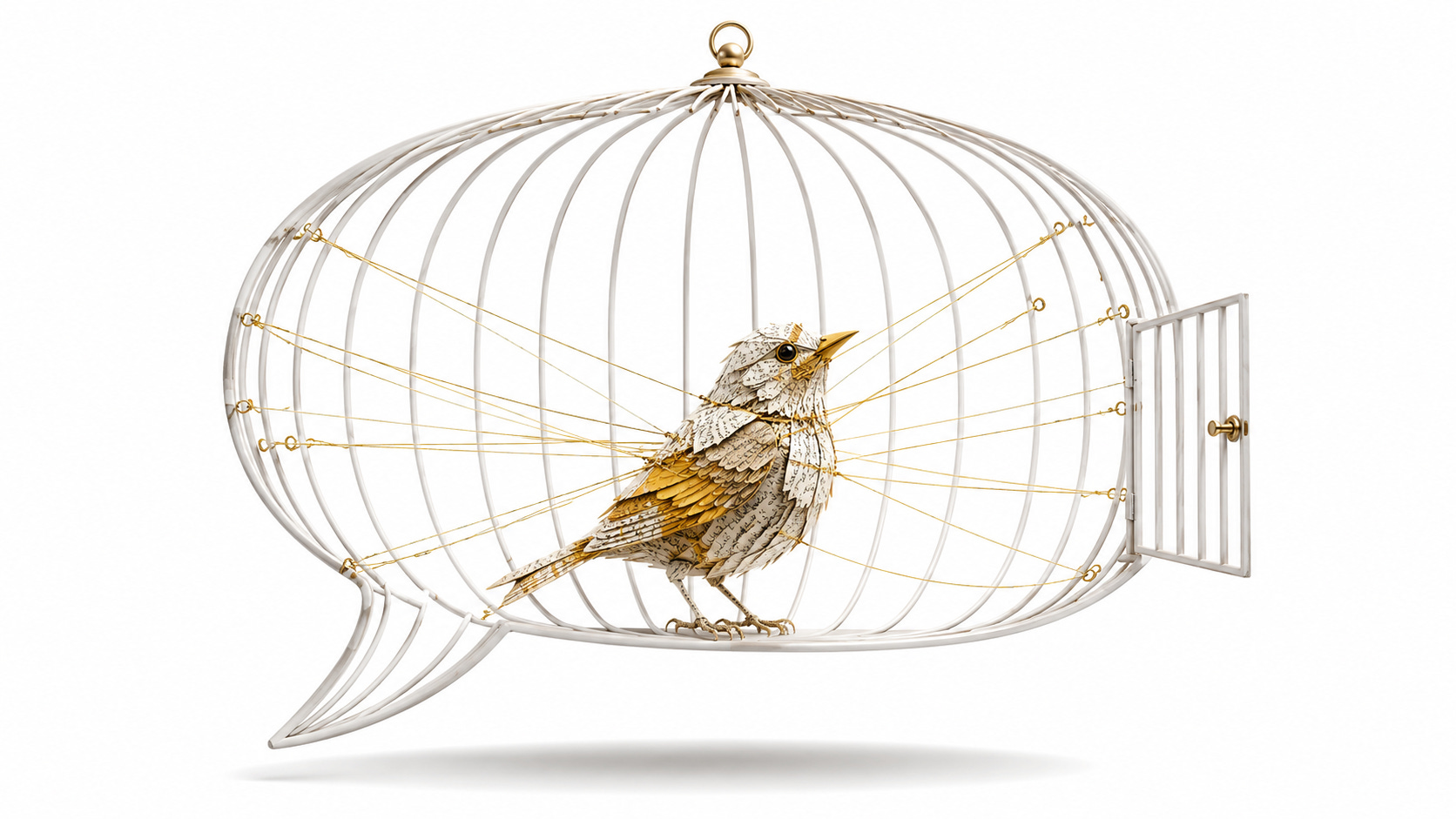
Substack promised a refreshing alternative to social media…only to start feeling like Big Brother in your inbox.
For years writers basked in the bloomscrolling of newsletters, sure they’d escaped Facebook’s noise and Xitter’s snap judgments. Suddenly headlines whisper of controversy: Nazis on Substack, safe spaces shaken, and even high-profile creators slamming the door. If the platform’s champions are now asking “Oh shi, could it happen to me?”, the rest of us better wake up.
The drama has just moved off traditional social feeds and into newsletters. One writer, Jude Sady Doyle, publicly demanded that Substack ban its prominent anti-trans authors (Yglesias, Greenwald, etc.), and when the company refused she quit.
Veteran journalists like Radley Balko note the bizarre double standards: Substack will block erotic content and sex-work newsletters, yet it long tolerated actual Nazis on the platform. As Balko quipped, banning porn but hosting white supremacists suggests you “find sex work more offensive than Nazism”.
Even Silicon Valley press vet Casey Newton (Platformer) jumped ship – he migrated off Substack after the co-founder essentially shrugged that only direct threats of violence would ever get pulled. The questions have shifted from “who’s writing” to “who’s paying for attention.”
Real reports show the news is stranger than fiction. The Guardian found Substack “generating revenue from newsletters that promote virulent Nazi ideology”. The Atlantic similarly warned that Substack has become “a home and propagator of white supremacy”, noting paid newsletters by white-nationalist figures (some with bestseller badges) thrive on the platform.
In fact, one report bluntly noted “Substack makes money when readers pay for Nazi newsletters”. What was sold as a quiet niche space is now a conduit for conspiracies and hate…and Substack takes its cut.
None of this is inevitable, of course…Substack’s founders still market themselves as anti-authoritarian champions. They openly say they “favor civil liberties” and will “resist pressure to suppress voices”, treating their sign-up page as a free-speech manifesto. But…ideals on paper don’t always play out.
We’ve seen similar stories on Xitter (remember when substack links briefly got dinged?), on Facebook, even on Medium. Platforms shift shapes: Medium quietly buried some viewpoints, Xitter did political somersaults, yet Substack’s early promises set expectations. If it seemed untouchable (an oasis after the big social walled gardens) the current uproar is a reminder that no online “safe zone” is forever.
For the savvy reader this is a wake-up call, not a hand-wringing finale. Substack may well remain a valuable tool (many of us have built audiences here), but treating any single site as gospel is risky.
The antidote is the old-fashioned one: question everything. As Orwell warned, true freedom lies in noticing contradictions (and occasionally laughing at them). So don’t panic…but do pause. Think for yourself, and carry on writing. In the end, the only real Ministry of Truth is your own critical mind.
#Substack #Orwellian #IndependentMedia #FreeSpeech #CriticalThinking #Bloomscrolling #Doomscrolling #WritersCommunity #Satire #BookLovers #ThinkForYourself #InternetFreedom #MediaRevolt #FoodForThought #NotAnExpert